Series: AI and the cost of scraping

Series: Consciousness and Artificial Intelligence

A three-part series published on Medium, with part two in Towards AI. Read across the AI and HCI research community. Part one has 223 claps.

Towards AI · Part two

‘Can AI Become Conscious?’

The second part of the series. Taking the functional account of consciousness from part one and asking what it would mean for an AI system to satisfy it, and what would need to be true of the system for the question to matter.

Read in Towards AI →

Books

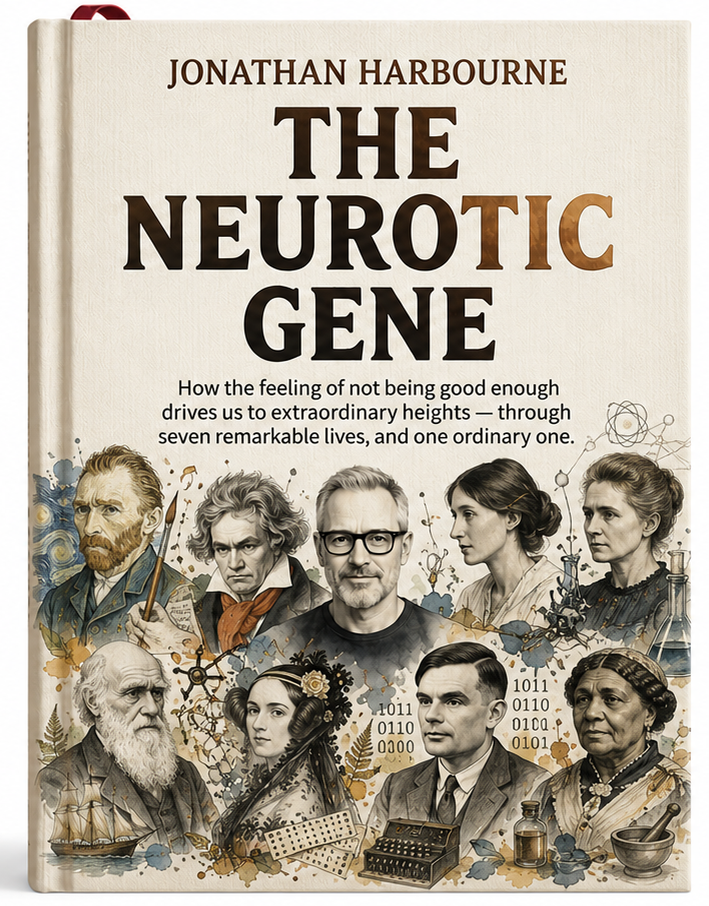
The Neurotic Gene, book cover

In progress · Saltmarsh Press

The Neurotic Gene

How seven remarkable lives, and one ordinary one, show that the feeling of inadequacy is installed and not inherent

A biographical and evolutionary argument that neurosis, the persistent unearned sense of not being enough, is not a personality trait but a product of the environments that shape us. Told through eight lives, including Virginia Woolf, Nikola Tesla and Charles Darwin, the book maps the conditions that install inadequacy and the conditions that don’t.

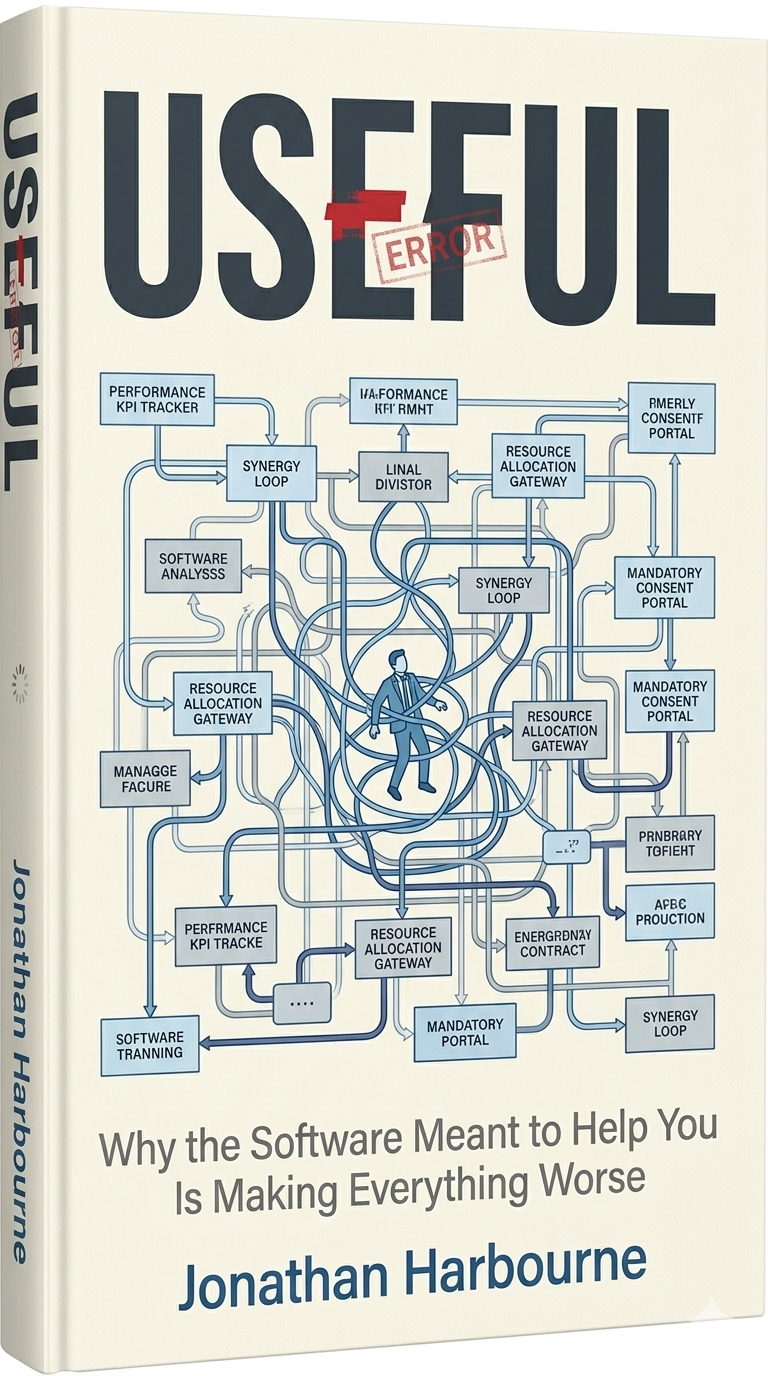
Useful, book cover

In progress · Saltmarsh Press

Useful

Why the Software Meant to Help You Is Making Everything Worse

Enterprise software is a design disaster, and most of the people who use it know it. This book asks why software that was built to help people work has become such an obstacle to getting anything done, and what it would take to fix it. Drawing on years of enterprise UX practice at Capgemini and beyond, it makes the case that usability is not a feature: it is the product.

Academic

British Psychological Society · PsychTalk

‘The Evolutionary Basis of Consciousness’

Published in the British Psychological Society student journal PsychTalk. Awarded 100 per cent by Dr Tom Dickens, editor of the journal Evolution. An account of consciousness grounded in evolutionary theory: what it is for, why it emerged, and what its distribution across species might tell us.

In the Press

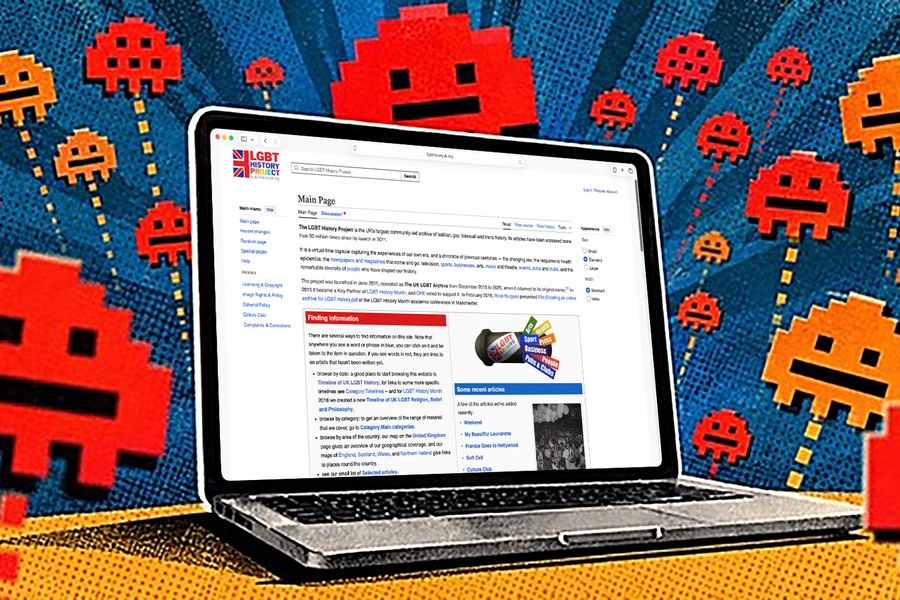
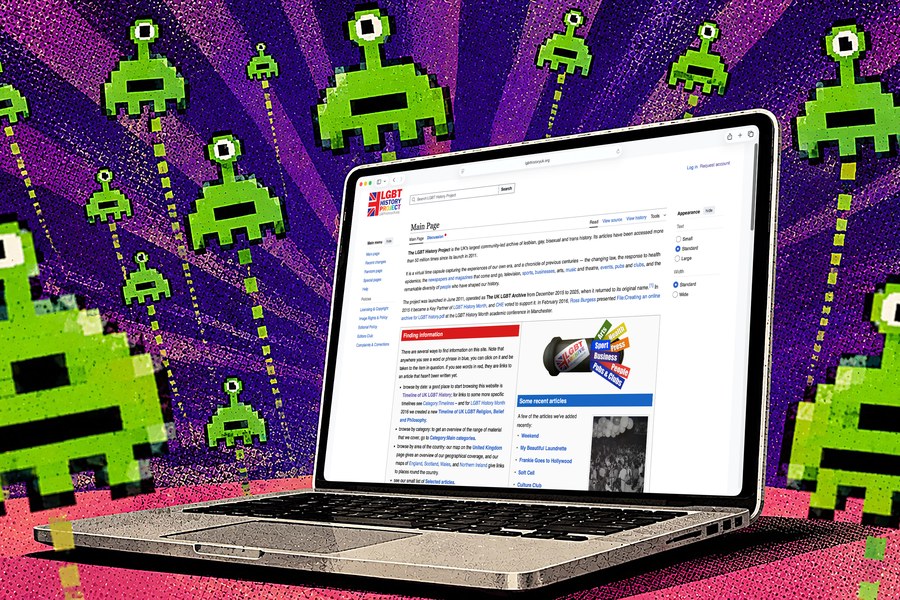
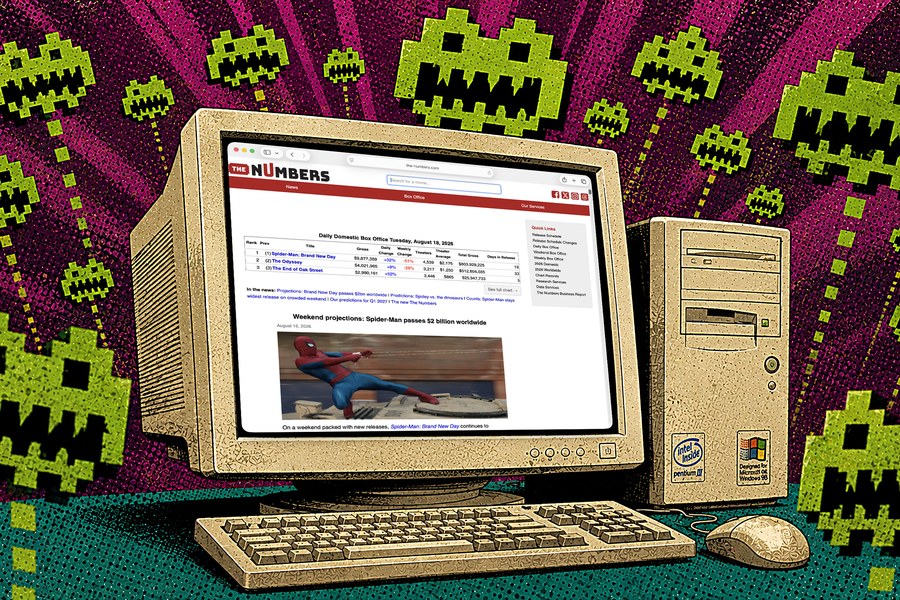
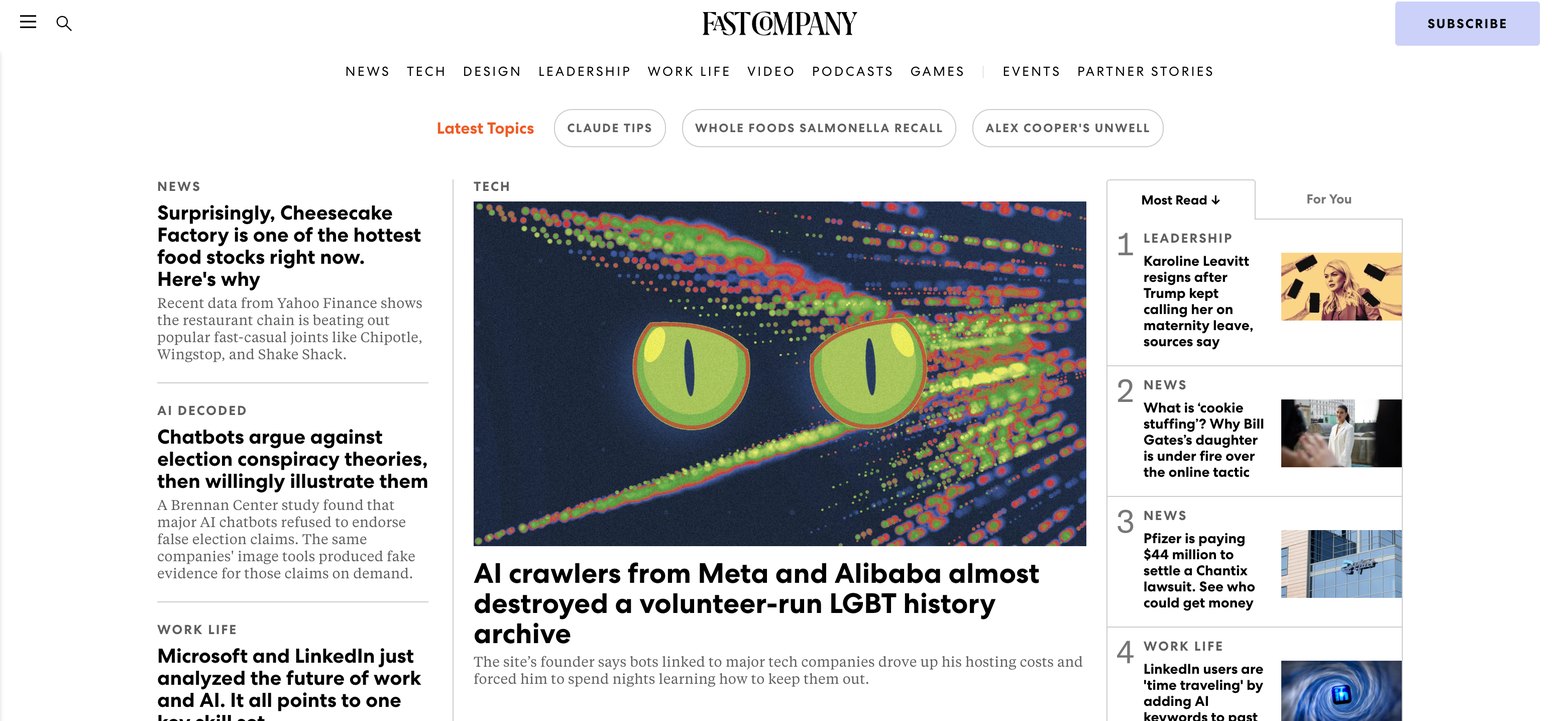
The Fast Company home page carrying the article as its lead Tech story, headlined ‘AI crawlers from Meta and Alibaba almost destroyed a volunteer-run LGBT history archive’

Fast Company · August 2026

‘AI crawlers from Meta and Alibaba almost destroyed a volunteer-run LGBT history archive’

Reported by Chris Stokel-Walker for Fast Company. The story of how AI bots from Meta, Alibaba and others made tens of thousands of daily requests to the LGBT History Project, driving up hosting costs and threatening to take the archive offline, and what it reveals about the unsustainable cost AI companies are externalising onto the independent communities they extract value from.

Read on Fast Company →

Read more

All essays and articles are available on Medium. Member of the International Association of Accessibility Professionals (IAAP) and the Royal Institute of Philosophy (TRIP).

@jharbourne on Medium →